Hip-hop dance
Street dance styles evolving from hip-hop culture and music.

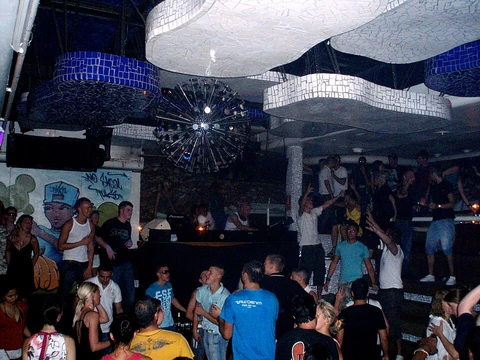
Hip-hop dance is a range of street dance styles primarily performed to hip-hop music or that have evolved as part of hip-hop culture. It is influenced by a wide range of styles created in the 1970s and made popular by dance crews in the United States. The television show Soul Train and the 1980s films Breakin', Beat Street, and Wild Style showcased these crews and dance styles in their early stages, giving hip-hop dance mainstream exposure. The dance industry responded with a commercial, studio-based version of hip-hop—sometimes called 'new style'—and a hip-hop-influenced style of jazz dance called 'jazz-funk'. Hip-hop dance is practiced in both dance studios and outdoor spaces.
- field
- Street dance, hip-hop culture
- known_for
- Freestyle improvisation, dance battles, breaking, locking, popping
- origins
- 1970s, United States (New York and California)
Lore & Background
Hip-hop dance is a fusion dance genre with influences from older street dance styles created in the 1970s, including uprock, breaking, and the funk styles. It started as toprock, performed while standing up, influenced by uprock from Brooklyn, New York. Breaking later became more floor-oriented, influenced by martial arts and gymnastics.
Reader's Guide
Hip-hop dance's significance lies in its evolution from street origins to global entertainment and education. The commercialization of hip-hop dance continued into the 1990s and 2000s with television shows and movies such as The Grind, Planet B-Boy, Rize, StreetDance 3D, America's Best Dance Crew, Saigon Electric, the Step Up film series, and The LXD. Films, television shows, and the Internet introduced hip-hop dance outside the United States. Educational opportunities and corporate dance competitions such as World of Dance and Hip Hop International have helped maintain its presence worldwide. Hip-hop dance can be a form of entertainment, a hobby, a way to stay active in competitive dance, and a way to make a living by dancing professionally. What distinguishes hip-hop from other forms of dance is that it is often freestyle (improvisational) in nature, and hip-hop dance crews often engage in freestyle dance competitions colloquially referred to as 'battles'.
Did You Know?
- Breaking was created in The Bronx, New York, in the early 1970s, beginning as elaborations on James Brown's 'Good Foot' dance.
- The funk styles, including locking and popping, were created in California in the 1970s and were originally danced to funk music, not hip-hop music.
- The television show Soul Train played a large role in giving locking and popping commercial exposure.
- Hip-hop social dancing includes fad dances such as the Roger Rabbit, the Cabbage Patch, the Worm, the Humpty dance, and the Running Man.
Origins: The Bronx, Brooklyn, and the West Coast
Breaking was born in the South Bronx in the early 1970s, initially as upright toprock movements rather than the floor work most people associate with it today. In Brooklyn, a more aggressive, partner-based style called uprock emerged, looking almost like a choreographed fight. DJs soon used two copies of the same record to stretch these breaks further, a technique known as beat juggling. Meanwhile, on the west coast, California gave birth to an entirely separate family of funk styles: roboting, locking, popping, boogaloo, and many others. Boogaloo, the oldest among them, had already been a 1960s fad dance before evolving into a street style in Oakland. Breaking, influenced by martial arts and gymnastics, gradually shifted from standing toprock into the floor-oriented form recognized worldwide. The terms "b-boy" and "b-girl" simply mean "break-boy" and "break-girl," dancers who perform to the break of a record.
From Street Corners to Studio Floors
The jump from neighborhood parties to the wider public happened largely through media. The television program Soul Train gave crews like The Lockers and The Electric Boogaloos a national stage, while the 1980s films Breakin', Beat Street, and Wild Style put these styles in front of movie audiences for the first time. The dance industry quickly responded by developing a commercial, studio-based interpretation sometimes labeled "new style," alongside a hip-hop-inflected form of jazz dance known as jazz-funk. Classically trained choreographers studied street movements and translated them into structured routines, which is why hip-hop dance is now practiced in both studios and outdoor spaces. This commercialization accelerated through the 1990s and 2000s with productions like The Grind, Planet B-Boy, Rize, StreetDance 3D, America's Best Dance Crew, the Step Up film series, and the web series The LXD. Despite this entertainment footprint, the dance retains a strong identity in urban neighborhoods, where it continues to evolve independently of the studio world.
Freestyle, Battles, and Urban Derivatives
What sets hip-hop dance apart from most other dance traditions is its deep commitment to improvisation. Rather than relying solely on rehearsed choreography, hip-hop dancers frequently perform freestyle, and crews regularly meet in informal or organized competitions colloquially called "battles." This competitive, spontaneous energy is woven into the culture's fabric. Because the dance maintains a powerful presence in urban neighborhoods, it has continuously spawned new street-level derivatives. Memphis jookin, turfing, jerkin', and krump are all examples of styles that grew out of local communities rather than studios. Social or party dancing has also evolved in lockstep with the music: the 1980s produced novelty moves like the Roger Rabbit, the Cabbage Patch (inspired by a Gucci Crew II song), and the Worm, while the 1990s brought the Humpty and the Running Man, and the 2000s added the Cha Cha Slide, the Cat Daddy, and the Dougie. Each new wave of hip-hop music tends to generate its own signature moves, keeping the social-dance vocabulary in constant flux.
Going Global and Finding a Place
Hip-hop dance crossed national borders largely through films, television, and eventually the Internet, which carried its visual language to audiences far beyond the United States. Once those audiences discovered the form, structured educational programs and corporate dance competitions like World of Dance and Hip Hop International helped sustain and grow its international footprint. Today the dance occupies a remarkably wide spectrum of roles in people's lives. For some it is pure entertainment or a recreational hobby; for others it is a disciplined competitive pursuit that keeps them physically active; and for a select few it becomes a full professional career. This versatility, spanning casual street parties, studio classes, televised competitions, and professional performance, reflects the genre's origins as a community-driven, music-responsive practice that never confined itself to a single context. The dance remains as much about personal expression and neighborhood identity as it is about spectacle.
Frequently Asked Questions
What is Hip-hop dance?
Hip-hop dance is a broad family of street dance styles that grew out of hip-hop culture and is typically performed to hip-hop music. It encompasses many distinct styles that were shaped by dancers in the United States during the 1970s.
Where and when did Hip-hop dance originate?
The style traces its roots to the 1970s in the United States, with New York and California serving as the two primary birthplaces. Dance crews in those regions developed the vocabulary and battle culture that defined the form.
What are the most recognizable elements of Hip-hop dance?
Freestyle improvisation, competitive dance battles, and signature styles like breaking, locking, and popping are the hallmarks fans most associate with the genre. These elements together give hip-hop dance its energetic, expressive identity.
How did Hip-hop dance first reach a mainstream audience?
The TV show Soul Train and 1980s films such as Breakin', Beat Street, and Wild Style put early dance crews in front of a wide audience for the first time. That media exposure is widely credited with pushing the style from local block parties into popular culture.
What is 'new style' hip-hop dance?
When the commercial dance industry responded to the street scene, it created a studio-based, choreographed version often labeled 'new style.' A related offshoot also blended hip-hop movement vocabulary into jazz dance, producing a more polished, performance-oriented look.
More in Dance Forms 1-24
Elsewhere in the Dance Forms universe
Spotted an error? Know more?
This is a living reference — every entry is fact-audited, and reader corrections feed straight into our audit queue. Suggest an edit · See this site's audit record